
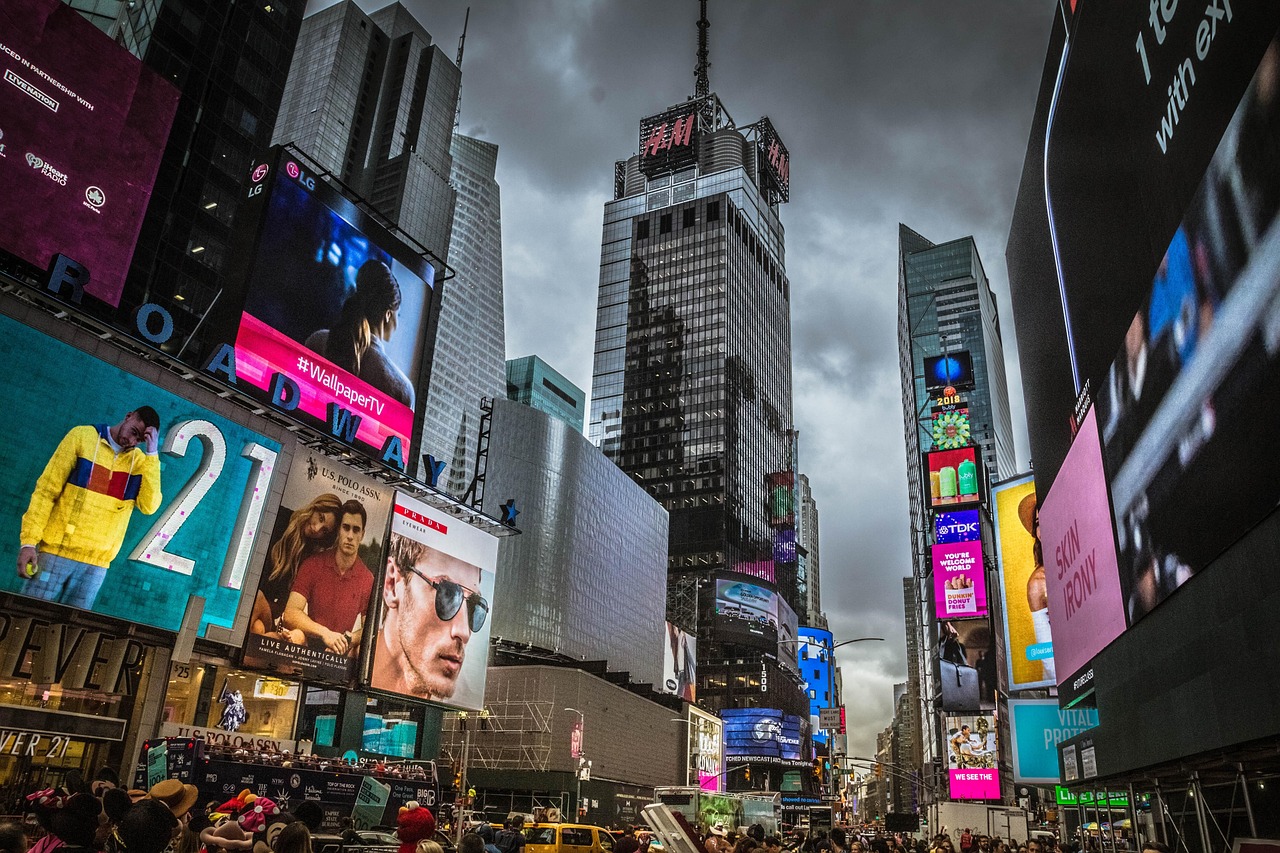
Weather transforms Times Square into different worlds.
The same corner where you snap selfies becomes an entirely different experience when rain turns billboard lights into shimmering reflections on wet pavement. Summer heat creates a different energy than winter’s crisp clarity.
Most visitors plan around weather. Smart visitors plan with it.
Times Square sees 220,000 pedestrians daily, each navigating different weather conditions that shape their experience. Understanding these patterns changes how you approach your visit.
Spring Weather Strategy
Spring brings dynamic weather conditions to Times Square that require strategic planning but reward prepared visitors with unique experiences.
March Transition Challenges and Opportunities
March temperatures range from lows of 35°F to highs of 55°F, creating significant daily variation that demands layered clothing strategies. Early March often extends winter conditions with occasional snow, while late March hints at spring warmth. Precipitation averages 4.3 inches monthly, often arriving as mix of rain and snow that creates dramatic photo opportunities.
Morning temperatures typically start in the 40s, climbing to mid-50s by afternoon. This 15-20 degree swing means outfit changes throughout the day or uncomfortable compromises. Wind patterns intensify during March, with gusts reaching 25+ mph that make temperatures feel 10 degrees colder than actual readings.
Times Square’s concrete canyon effect amplifies wind conditions, creating microclimates that vary significantly within just a few blocks. The famous red steps area experiences different conditions than the northern pedestrian plazas due to building configurations and sun exposure patterns.
April Optimization and Stability Emergence
April delivers more predictable conditions with temperatures ranging from 45°F to 65°F. This represents Times Square’s most comfortable temperature zone for extended outdoor exploration. Precipitation decreases to 4.1 inches monthly, with rain events becoming more predictable and shorter in duration.
Cherry blossom season in nearby Central Park (typically April 15-May 5) creates natural beauty that contrasts beautifully with Times Square’s urban energy. Photography opportunities multiply as spring flowers provide foreground elements for billboard shots. Tourist crowds remain manageable as families wait for warmer weather and school vacation periods.
Mid-April marks the transition point where outdoor dining becomes consistently comfortable. Restaurant patios and street vendors experience their first busy periods as pedestrians linger rather than hurrying through the area.
May Peak Spring Conditions
Late April through May offers optimal spring visiting conditions with temperatures from 55°F to 75°F. Humidity levels remain comfortable, making walking pleasant for extended periods. Rainfall drops to 3.8 inches monthly with more predictable patterns that allow reliable outdoor planning.
Memorial Day weekend marks the transition to summer tourism patterns, bringing increased crowds but maintaining excellent weather conditions. Spring thunderstorms become less frequent, and when they occur, they’re typically brief afternoon events that clear quickly.
May represents the sweet spot for Times Square photography with soft light, comfortable temperatures, and manageable crowds. The month provides consistent conditions that make planning easier while offering the visual appeal of spring’s fresh energy.
Spring Weather Photography Advantages
Soft spring light enhances Times Square photography with reduced harsh shadows. Rain creates natural reflectors for neon signs, producing shimmering effects impossible in dry conditions. The contrast between bright billboards and spring’s occasionally grey skies creates dramatic compositions that capture both urban energy and seasonal atmosphere.
Your billboard display benefits from spring’s varied weather conditions, with each type creating different visual impacts. Clear days provide maximum brightness and visibility, while overcast conditions offer even lighting that eliminates harsh shadows on your displayed content. Spring’s dynamic weather patterns ensure your message appears against diverse, engaging backdrops.
Summer Heat Reality
Summer transforms Times Square into an intense urban environment where weather management becomes critical for enjoyable experiences.
June Heat Buildup and Humidity Introduction
June temperatures range from 65°F to 80°F, representing comfortable conditions before peak summer intensity arrives. However, humidity begins climbing toward uncomfortable levels, with relative humidity often exceeding 70% during afternoon hours. This creates perceived temperatures 5-10 degrees higher than actual readings.
Early June maintains pleasant conditions for extended outdoor activities, while late June previews the challenging conditions ahead. Thunderstorm patterns establish during June, typically arriving as late afternoon or early evening events lasting 1-2 hours.
Times Square’s urban heat island effect becomes noticeable in June as concrete and asphalt begin absorbing and radiating heat throughout the day. The famous TKTS red steps can become uncomfortably hot to sit on during peak afternoon hours.
July Peak Intensity and Management Strategies
July delivers NYC’s most challenging weather conditions with temperatures from 70°F to 85°F combined with oppressive humidity levels. Heat index readings frequently exceed 95°F, making outdoor activity physically demanding without proper planning and preparation.
NYC expects 25-30 days above 90°F in typical summers, with Times Square’s concrete and glass amplifying this heat through reflection and absorption. Morning visits (7-10 AM) offer the only comfortable outdoor windows during heat waves. Afternoon temperatures peak between 2-4 PM when Times Square becomes nearly unbearable for extended periods.
Thunderstorms provide temporary relief but arrive with intensity and unpredictability. These storms typically last 45-90 minutes and can produce heavy rainfall, strong winds, and dangerous lightning. However, they often clear completely, leaving refreshed air and temporarily cooler conditions.
The subway system becomes a refuge during extreme heat, with many visitors using underground passages to move between air-conditioned locations. Times Square’s extensive underground network connects to multiple buildings and transit options.
August Sustained Heat and Crowd Peak
August maintains July’s temperature patterns while adding peak tourist density. The combination of oppressive heat and maximum crowds creates Times Square’s most challenging visiting conditions. Temperatures range from 70°F to 84°F, but humidity makes conditions feel consistently above 90°F.
Tourist volume peaks during August as family vacation schedules converge with international travel patterns. This creates crowding that compounds heat stress and reduces air circulation in pedestrian areas. Strategic timing becomes essential for comfortable experiences.
Late August begins showing signs of seasonal transition with occasional cooler mornings and less oppressive humidity. However, heat waves can still occur well into the month, requiring continued vigilance and preparation.
Summer Activity Timing and Comfort Strategies
Early morning visits (6-9 AM) provide the only extended comfort windows during heat waves. Temperatures start in the low 70s with manageable humidity before climbing rapidly after 10 AM. Evening visits after 7 PM offer relief as temperatures begin dropping, though humidity often remains high.
Hydration becomes critical with requirements increasing to 3-4 liters daily during peak heat. Air-conditioned rest stops every 30-45 minutes prevent heat exhaustion. Indoor attractions become necessary refuges rather than optional activities.
Clothing choices significantly impact comfort levels. Light-colored, loose-fitting, breathable fabrics work best. Avoid dark colors and synthetic materials that trap heat and moisture.
Summer Photography Considerations
Harsh overhead sun creates unflattering shadows and washes out colors during midday hours. Golden hour photography works best early morning (6-7 AM) or late evening (7-8 PM) when sun angles improve lighting conditions. Heat haze can affect photo clarity during extreme temperature days.
Your billboard display gains maximum visibility during summer’s extended daylight hours. Bright summer sun enhances billboard colors and visibility, while the extended tourist season means more people view your content throughout longer daily periods. Summer’s intense energy creates dynamic backdrops that make billboard content appear more vibrant and engaging.
Fall’s Perfect Window
Fall delivers Times Square’s most balanced weather conditions, combining comfortable temperatures with stunning visual opportunities and manageable crowd levels.
September Transition and Optimal Conditions
September temperatures range from 60°F to 75°F, representing the ideal comfort zone for extended outdoor exploration. Humidity drops significantly from summer levels, making walking pleasant throughout the day. This month rivals spring for optimal weather conditions with stable patterns and minimal precipitation.
Early September still carries summer’s warmth but without the oppressive humidity. Late September introduces fall’s crisp clarity while maintaining comfortable temperatures. Rainfall averages just 3.5 inches monthly, with most precipitation arriving as brief, manageable showers.
September marks the beginning of fall tourism patterns as families return from summer vacations and business travel resumes. Crowd levels become more manageable while weather conditions remain excellent, creating ideal visiting opportunities.
Times Square’s concrete environment retains summer heat well into September, creating microclimates that can feel 5 degrees warmer than surrounding areas. However, this heat retention becomes pleasant rather than oppressive during fall’s cooler overall conditions.
October Peak Performance Weather
October delivers Times Square’s absolute best weather conditions with temperatures ranging from 50°F to 70°F. Average daily highs in the mid-60s provide perfect outdoor exploration weather. Clear skies dominate with minimal rainfall, typically less than 3 inches monthly.
Morning temperatures start comfortably cool in the 50s, warming to pleasant 60s and low 70s by afternoon. This temperature progression eliminates the dramatic swings that characterize spring and provides consistent comfort throughout the day.
October’s stable high-pressure systems create extended periods of clear, sunny weather. These conditions produce the year’s best photography lighting with crisp air that enhances color saturation and visibility. Fall foliage in nearby Central Park reaches peak colors, providing stunning natural contrasts to Times Square’s urban energy.
Tourist activity patterns shift during October as international visitors arrive for fall travel seasons. However, crowd levels remain more manageable than summer peaks while offering excellent weather conditions.
November Transition Challenges
November temperatures range from 40°F to 60°F as winter approaches. Early November maintains pleasant conditions with comfortable daytime temperatures, while late November introduces winter’s chill. Precipitation increases slightly to 3.8 inches monthly, often arriving as cold rain.
Thanksgiving week brings significant tourism increases as domestic travel peaks. Weather conditions can vary dramatically during November, from pleasant fall days to early winter conditions requiring warmer clothing.
November’s shorter daylight hours affect photography timing and overall visit planning. Sunset occurs earlier each day, requiring adjusted schedules for golden hour photography and evening activities.
Fall Photography and Visual Advantages
Fall light transforms Times Square photography with lower sun angles creating longer shadows and warmer tones. These conditions enhance both daytime shots and transition-to-evening photography. The crisp, clear air typical of fall weather improves color saturation and reduces haze that can affect summer photos.
Golden hour photography extends throughout fall as sun angles remain lower throughout the day. This provides more flexible timing for optimal lighting conditions compared to summer’s limited optimal windows.
Fall colors in Central Park create beautiful foreground and background elements for Times Square photography. The contrast between natural fall beauty and urban energy produces unique compositional opportunities impossible during other seasons.
Fall Activity Optimization
Fall’s comfortable temperatures make extended walking tours pleasant throughout the day. Outdoor dining remains enjoyable well into October, while November may require light jackets for extended outdoor periods.
Fall weather patterns are generally more predictable than spring conditions, allowing for reliable outdoor planning. The season’s stable conditions reduce weather-related disruptions to scheduled activities and tours.
Your billboard content appears against fall’s crisp, clear skies with enhanced visibility and color saturation. The season’s natural beauty provides stunning backdrop contrast for your displayed message, while comfortable weather conditions encourage longer viewing times and better photo opportunities for visitors incorporating your billboard into their Times Square memories.
Winter’s Hidden Advantages
Winter reveals Times Square’s most dramatic character, transforming the district into a crystalline urban wonderland with unique advantages that reward prepared visitors.
December Holiday Magic and Crowd Dynamics
December temperatures range from 30°F to 50°F, creating cold but manageable conditions for outdoor exploration. Early December maintains mild conditions, while late December brings true winter cold that requires proper layering strategies.
Holiday decorations transform Times Square into a winter wonderland during December. The combination of seasonal displays, holiday lighting, and winter weather creates magical photo opportunities impossible during other months. New Year’s Eve preparations add excitement and energy that builds throughout the month.
Tourist crowds peak during holiday weeks despite cold temperatures. However, winter weather creates natural crowd management as many visitors spend shorter periods outdoors, creating opportunities for better access to prime locations between crowd waves.
December’s shorter daylight hours concentrate activity into limited windows, but this compression creates more intense, energetic experiences. The early sunset enhances billboard visibility against darker skies.
January Post-Holiday Clarity
January delivers winter’s most challenging conditions with temperatures from 25°F to 45°F. However, these conditions create Times Square’s clearest, most dramatic visual experiences. Cold, dry air produces exceptional visibility and color saturation that enhances photography and billboard visibility.
Post-holiday crowd reductions create the year’s best access to prime Times Square locations. Fewer tourists mean better photo opportunities, shorter wait times, and more space to explore without fighting crowds.
January’s low sun angles create dramatic lighting throughout the day. Winter light transforms architectural details, creating long shadows and side-lighting effects impossible during other seasons. These conditions enhance both daytime and evening photography.
Snow events become more frequent in January, creating magical transformation opportunities. Fresh snowfall against bright billboards produces striking visual contrasts that make Times Square appear completely different from its typical appearance.
February Winter Photography Peak
February temperatures range from 30°F to 50°F, representing winter’s most stable conditions. Cold remains consistent without the extreme variations that can characterize December and January.
February delivers winter’s best photography conditions with stable weather patterns and excellent light quality. The month’s clear, crisp air creates optimal conditions for both daytime and evening photography with enhanced color saturation and reduced atmospheric haze.
Valentine’s Day brings romantic energy to Times Square, creating unique seasonal experiences. Couples brave cold weather for memorable photos, and winter’s dramatic lighting enhances romantic atmosphere.
Late February begins showing subtle signs of spring transition with slightly longer daylight hours and occasional warmer days that preview the seasonal change ahead.
Winter Activity Strategies and Comfort Management
Layered clothing becomes essential for comfortable winter experiences. Base layers, insulating mid-layers, and windproof outer layers allow adaptation to changing conditions and indoor/outdoor transitions. Quality winter accessories like hats, gloves, and scarves prevent heat loss and maintain comfort during extended outdoor periods.
Indoor warming breaks every 30-45 minutes prevent cold-related discomfort and extend overall visit duration. Times Square’s numerous indoor attractions, restaurants, and shops provide strategic warming opportunities.
Hot beverages become essential comfort tools. Street vendors, coffee shops, and restaurants throughout Times Square provide warming options that enhance winter visit experiences.
Winter’s Unique Visual Advantages
Winter light creates Times Square’s most dramatic visual conditions. Low sun angles throughout the day produce long shadows and side-lighting that enhance architectural details and create depth in photography impossible during other seasons.
Snow transforms Times Square completely, creating winter wonderland effects that make familiar locations appear magical and new. Even light snow creates atmospheric effects that enhance billboard visibility and add drama to photographs.
Clear winter air produces exceptional visibility conditions that make colors appear more saturated and details more crisp. These conditions create optimal viewing for billboard content and enhance overall visual experiences.
Your billboard message stands out more dramatically against winter’s clear, crisp air and often appears against snow-enhanced backgrounds that create striking contrasts. Cold weather produces the clearest visibility conditions for display content, while winter’s unique atmosphere makes billboard experiences more memorable and photogenic.
Weather-Based Activity Planning
Strategic activity planning based on weather conditions transforms Times Square visits from weather-dependent experiences into weather-optimized adventures that maximize enjoyment regardless of conditions.
Clear Weather Optimization Strategies
Perfect sunny days provide optimal conditions for comprehensive Times Square exploration. Plan extended walking tours that cover multiple districts, outdoor dining experiences, and photography sessions during these stable weather windows. Clear conditions offer maximum visibility for billboard viewing and create ideal circumstances for capturing vibrant photos.
Sunny weather encourages longer outdoor periods, making it perfect for exploring Times Square’s pedestrian plazas, visiting outdoor attractions, and engaging with street performers. The enhanced visibility during clear conditions makes it easier to navigate crowds and identify optimal viewing positions for billboards and attractions.
Clear weather also provides the best conditions for outdoor dining at Times Square’s numerous restaurants with street-side seating. The pleasant conditions encourage lingering, making meals more enjoyable while people-watching and absorbing the district’s energy.
Overcast Weather Advantages
Cloudy conditions create perfect photography environments with soft, even lighting that eliminates harsh shadows and provides superior color saturation for photos. Professional photographers often prefer overcast skies because they act as natural softboxes, creating flattering lighting conditions impossible during bright sunny days.
Overcast weather reduces glare on phone screens and camera displays, making it easier to compose and review photos. The even lighting conditions also make billboard content more visible and easier to photograph without the contrast issues that bright sunlight can create.
Cooler temperatures during overcast conditions often make extended outdoor exploration more comfortable, particularly during summer months when cloud cover provides relief from intense heat and humidity.
Rain Weather Opportunities
Light rain creates unique photographic opportunities with reflection effects that transform Times Square’s appearance. Wet pavement becomes a natural mirror for neon signs and billboards, producing shimmering effects impossible during dry conditions. These reflection opportunities create dramatic, moody photographs that capture Times Square’s energy in ways clear weather cannot.
Covered areas throughout Times Square provide strategic shelter points during light rain. Subway entrances, building overhangs, covered walkways, and indoor attractions offer weather protection while maintaining access to the area’s energy and attractions.
Light rain often reduces crowd density, providing better access to prime photo locations and viewing spots. The decreased competition for space creates opportunities for better billboard viewing and more comfortable exploration.
Heavy Weather Indoor Strategies
Heavy rain or thunderstorms shift focus toward Times Square’s extensive indoor attractions and underground connections. The district’s network of indoor spaces, restaurants, shops, and entertainment venues provides comprehensive weather protection while maintaining access to the area’s unique energy.
Times Square’s underground connections link multiple buildings and subway stations, allowing movement between locations without weather exposure. These underground passages provide access to shops, restaurants, and attractions during severe weather conditions.
Indoor attractions like museums, theaters, and shopping centers become primary destinations during heavy weather. Many of these locations offer views of Times Square’s billboards from climate-controlled environments, allowing continued engagement with the district’s visual energy.
Extreme Temperature Management
Hot summer days require strategic timing with outdoor activities scheduled for early morning (6-9 AM) or late evening (after 7 PM) periods when temperatures are more manageable. Midday hours work better for indoor attractions with air conditioning, providing relief from heat while maintaining Times Square engagement.
Hydration stations, air-conditioned rest stops, and indoor cooling breaks become essential elements of summer visit planning. Times Square’s numerous restaurants, shops, and indoor attractions provide strategic cooling opportunities every few blocks.
Cold winter days benefit from layered clothing strategies and planned indoor warming breaks every 30-45 minutes. Times Square’s density of indoor locations makes it easy to maintain comfort while extending overall visit duration. Hot beverage vendors and warm indoor spaces provide regular opportunities to maintain body temperature during extended winter exploration.
Technology Integration for Weather Planning
Weather apps with hourly updates and radar capabilities become essential tools for Times Square visits. Real-time weather information allows dynamic adjustment of plans and optimization of experiences based on changing conditions.
Multiple weather source consultation provides accuracy and helps identify optimal timing windows for different activities. Local NYC weather apps often provide more accurate forecasts for Times Square’s specific microclimate conditions than general weather services.
Your billboard experience benefits from weather-aware planning as different conditions create varying visibility and photographic opportunities. Clear weather provides maximum brightness and visibility, while dramatic weather conditions create memorable atmospheric backdrops that enhance the overall impact of your displayed content.
Photography and Weather Correlation
Weather conditions create dramatically different photographic opportunities in Times Square, transforming the same locations into entirely different visual experiences based on atmospheric conditions.
Golden Hour and Sun Angle Photography
Golden hour photography varies significantly by season in Times Square. Fall and winter provide extended golden hour opportunities when sun stays lower throughout the day, creating warm, flattering light that enhances billboard colors and architectural details. Summer’s high sun angle creates harsh shadows that flatten billboard colors and wash out details during midday hours.
Winter golden hour can last for hours due to low sun angles, providing flexibility for photography timing that summer conditions cannot match. The dramatic side-lighting during winter months creates depth and dimension in photographs that showcase Times Square’s architectural complexity.
Spring and fall offer moderate sun angles that provide good golden hour opportunities without the extreme challenges of summer heat or winter cold. These transitional seasons balance optimal lighting with comfortable shooting conditions.
Blue Hour Magic and Twilight Photography
Blue hour magic occurs during the period just after sunset when sky color balances perfectly with artificial lighting. This timing works year-round but requires weather-specific planning as cloud cover and atmospheric conditions dramatically affect the quality and duration of blue hour light.
Clear weather produces classic blue hour conditions with gradual light transitions and vibrant sky colors. Overcast conditions can extend blue hour by diffusing light and creating more even illumination, while storm conditions can create dramatic sky contrasts that enhance billboard visibility.
Times Square’s extensive artificial lighting creates unique blue hour opportunities where billboards become primary light sources rather than competing with natural light. This reversal creates dramatic compositions impossible during daylight hours.
Rain and Reflection Photography
Rain photography transforms Times Square into a mirror-world where wet pavement creates natural reflectors for billboard lights and neon signs. Shooting during or immediately after rain produces unique images impossible in dry conditions, with shimmering effects that double the visual impact of billboard displays.
Light rain creates subtle reflection effects while maintaining visibility and comfort for photography. Heavy rain produces more dramatic reflections but requires weather protection for equipment and photographers.
Post-rain conditions often provide the best reflection photography opportunities with wet surfaces maintaining reflective properties while allowing comfortable shooting conditions. The combination of clear air and reflective surfaces creates optimal conditions for capturing billboard content in both direct and reflected forms.
Snow and Winter Weather Photography
Snow photography creates Times Square’s most dramatic visual transformations. Fresh snow provides natural white balance that makes colors pop more dramatically while creating striking contrasts against bright billboards. Even light snow creates atmospheric effects that enhance billboard visibility and add drama to photographs.
Heavy snowfall can create winter wonderland effects where Times Square appears completely transformed from its typical urban appearance. These conditions produce unique images that capture the district’s energy in ways clear weather cannot provide.
Snow conditions also create unique lighting effects as white surfaces reflect artificial light upward, creating more even illumination and reducing harsh shadows that can affect photography during other weather conditions.
Overcast and Diffused Light Advantages
Overcast advantages make cloudy skies act as natural softboxes, providing even lighting that eliminates harsh shadows and improves color accuracy for both photography and billboard viewing. Professional photographers often prefer overcast conditions because they create flattering, consistent lighting impossible during bright sunny conditions.
Cloudy conditions reduce glare and contrast issues that can affect both photography and billboard visibility. The even lighting makes it easier to capture details in both bright billboard displays and darker architectural elements within the same frame.
Overcast weather also provides more comfortable shooting conditions by reducing heat and glare, allowing longer photography sessions and more careful composition work.
Extreme Weather and Dramatic Conditions
Professional photographers often prefer challenging weather conditions over perfect sunny days because weather adds mood, drama, and visual interest that clear skies cannot provide. Storm conditions, fog, and extreme weather create unique atmospheric effects that make Times Square photography more compelling and memorable.
Dramatic weather conditions create natural story elements in photographs, showing Times Square’s resilience and energy despite challenging conditions. These images often have more emotional impact than clear weather photographs.
Weather-enhanced photography opportunities showcase Times Square’s dynamic character across all conditions, demonstrating how the district maintains its energy and visual appeal regardless of atmospheric challenges.
Your billboard content becomes an integral part of these weather-enhanced photo opportunities. 360,000 people snap photos in Times Square daily, many incorporating billboard displays into their compositions. Weather conditions affect how your billboard appears in these photographs, with different conditions creating varying visual impacts that can enhance the memorability and shareability of images featuring your content.
International Visitor Weather Considerations
International visitors spend $1,709 compared to $458 per domestic traveler, making weather planning more critical for these higher-investment trips.
European visitors: Often underestimate summer heat and humidity. NYC summers feel more intense than most European climates.
Tropical climate visitors: May find winter conditions more challenging than expected. Proper cold-weather clothing becomes essential for comfortable visits.
Desert climate visitors: Summer humidity levels can feel overwhelming. Plan for higher perceived temperatures than actual readings suggest.
Weather expectations vary significantly based on home climate. Research NYC’s specific conditions rather than assuming similarity to other major cities.
Currency exchange rates make weather-appropriate clothing purchases expensive for international visitors. Pack appropriately rather than buying locally.
Seasonal Tourism Patterns
Weather directly influences Times Square’s tourism patterns and crowd levels.
Peak season: June through August brings maximum crowds despite challenging weather. Higher temperatures coincide with vacation schedules.
Shoulder seasons: April-May and September-October offer better weather-to-crowd ratios. Excellent conditions with more manageable visitor levels.
Off-season: November through March (excluding holidays) provides smallest crowds but variable weather conditions.
Holiday periods: Weather becomes secondary to special events. New Year’s Eve, Christmas season, and major holidays draw crowds regardless of conditions.
Tourism projections show 2025 visitation exceeding 68 million for the first time. Weather planning becomes more important as crowds increase.
Understanding seasonal patterns helps you choose optimal timing that balances weather preferences with crowd tolerance levels.
Planning Your Weather-Optimized Visit
Successful Times Square visits require weather-aware planning strategies.
Flexible scheduling: Build weather contingencies into your itinerary. Have indoor and outdoor options available for different conditions.
Layered approach: Pack clothing that adapts to changing conditions rather than committing to single weather scenarios.
Technology integration: Use weather apps, real-time updates, and local forecasts to make day-of decisions about timing and activities.
Local knowledge: Times Square’s microclimate differs from general NYC weather. Concrete, glass, and crowds create localized conditions.
Timing optimization: Plan weather-sensitive activities during optimal windows rather than fighting challenging conditions.
Weather becomes an enhancement tool rather than a limitation when approached strategically.
Your Times Square billboard experience adapts to any weather condition. Clear days provide maximum visibility, while dramatic weather creates memorable backdrops for your displayed content.
Frequently Asked Questions About Times Square Weather
What is the average temperature in Times Square by month?
Spring averages 45-65°F (March-May), summer reaches 70-85°F (June-August), fall cools to 50-70°F (September-November), and winter drops to 35-50°F (December-February). However, Times Square’s urban microclimate with concrete, glass, and crowds can make temperatures feel 5-10 degrees different than general NYC readings.
When does it rain most in Times Square?
Spring (March-May) sees the most precipitation with 4.0-4.3 inches monthly. Summer thunderstorms are intense but brief, while fall remains relatively dry. Winter precipitation often arrives as snow. Rain patterns affect crowd levels and create unique photography opportunities with billboard reflections.
What is the best weather month for visiting Times Square?
September and October offer optimal conditions with comfortable temperatures (60-75°F), low precipitation, and reduced humidity. May also provides excellent conditions. These months balance pleasant weather with manageable crowd levels for the best overall experience.
How should I dress for Times Square in different seasons?
Layer clothing for all seasons due to daily temperature variations. Spring requires light jackets, summer needs sun protection and light fabrics, fall benefits from moderate layers, and winter demands warm coats and accessories. Times Square’s concrete creates wind tunnels that make temperatures feel colder than readings suggest.
Does weather affect Times Square crowd levels?
Weather significantly impacts crowd density. Rain reduces pedestrian traffic by 30-40%, extreme heat drives people indoors during midday hours, and pleasant weather increases crowds. Snow creates unique photo opportunities but reduces overall visitation. Plan timing around weather patterns for optimal crowd management.
What weather apps work best for Times Square planning?
Use apps with hourly updates and radar capabilities like Weather Underground, AccuWeather, or NOAA Weather. NYC-specific apps provide localized forecasts that account for urban heat island effects. Check multiple sources for accuracy and plan flexible itineraries based on changing conditions.
Making Weather Work for You
Weather transforms Times Square visits from standard tourist experiences into customized adventures.
Each season offers unique advantages that enhance different aspects of your visit. Spring’s freshness, summer’s energy, fall’s clarity, and winter’s drama all create distinct experiences.
The key lies in planning with weather rather than despite it.
Your billboard moment becomes weather-enhanced when you understand how conditions affect visibility, photography, and overall impact. Rain creates reflections, snow adds contrast, clear skies provide maximum brightness, and dramatic weather adds memorable atmosphere.
Times Square’s weather patterns are predictable enough for planning yet variable enough to create unique experiences during each visit.
Start planning your weather-optimized Times Square experience today. Check seasonal forecasts, pack appropriately, and prepare to transform weather conditions into experience enhancers rather than obstacles.
 Tags: manhattan weather guide, new york monthly weather, new york weather guide, nyc climate guide, nyc seasonal weather, nyc weather monthly, nyc weather patterns, seasonal times square, times square climate, times square temperature, times square weather, times square weather by month, times square weather conditions, times square weather planning, weather times square visit