
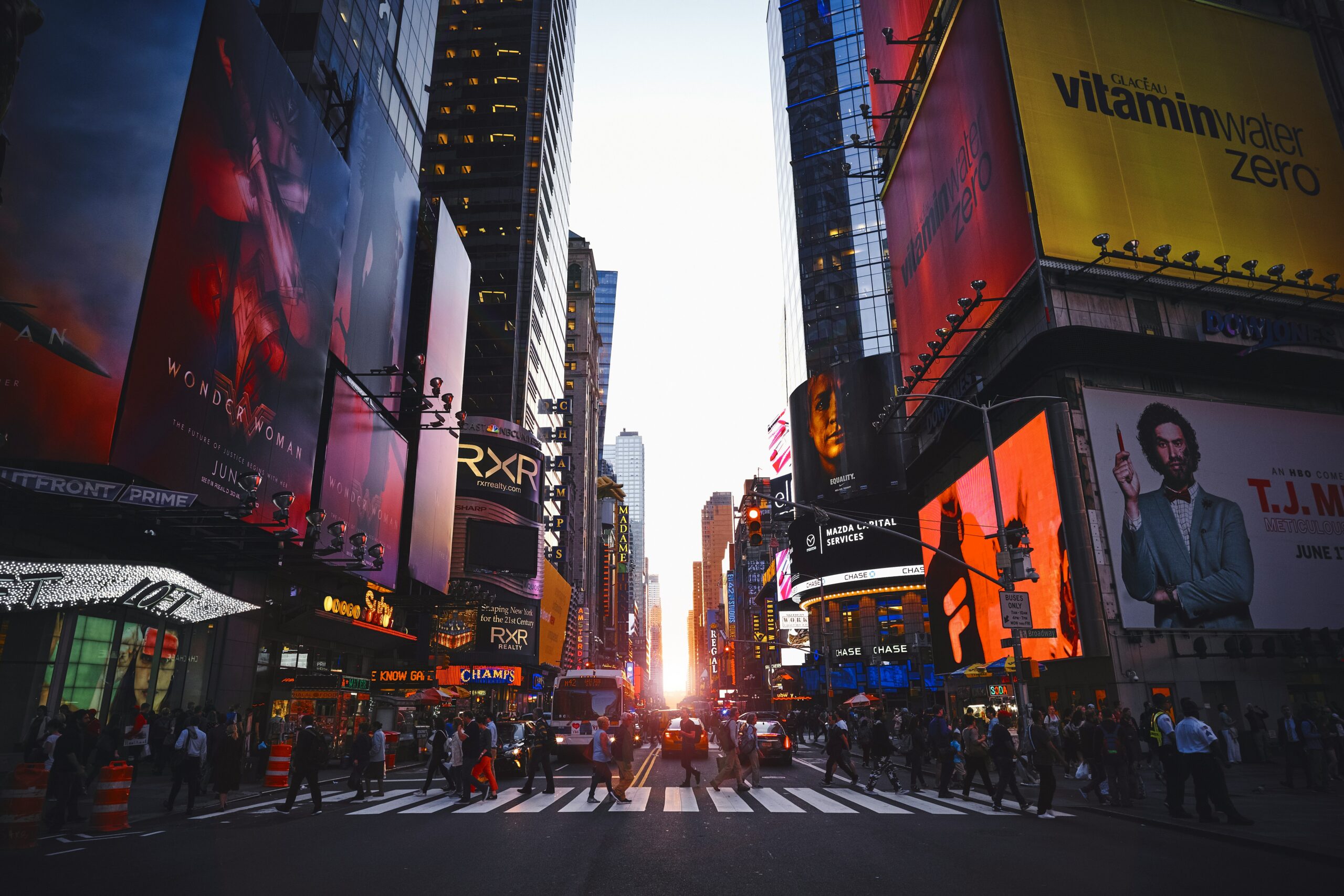
Nyc tourism statistics encapsulate who arrives, what’s spent and how the city rebounds, with 2023 visits approaching 62 million and 2024 estimates in the mid‑60 millions.
International visitors represented about one-fifth of trips, with expenditures exceeding $45 billion.
Hotel occupancy remained elevated throughout Midtown and Times Square, matching weekend highs.
For scheduling ads or evading crush periods, these figures establish the benchmark the bulk converts into tactics and real-world strategies.
NYC Tourism by the Numbers
Scale is significant. New York City anticipates welcoming 64+ million visitors in 2024 and 68.1 million in 2025, positioning the city at or near the top of U.S. Destinations by volume and spend. Recovery since 2020 has been steady, with international travel reconstituting in tandem with robust domestic leisure and business demand.
The blend is varied—families, singles, events—expenditures throughout hotels, restaurants, Broadway, museums, parks, and off-core neighborhoods.
1. Visitor Volume
NYC attracted a mere 1 million visitors in 1900. By 1991, it had reached 29.1 million (23.6 million domestic; 5.5 million international) and $10.1 billion in spending. The curve became even steeper in the 2010s.
NYC welcomed 66.6 million people in 2019 (53.1m domestic; 13.5m international). The shock came in 2020: 22.3 million, driven by border closures and event cancellations. International arrivals declined by 2.4 million in that year.
Rebound milestones: 56.7 million in 2022; about 64.5 million projected for 2024. For a little perspective, NYC competes with Orlando and Las Vegas in terms of overall volume, but leads both in business travel and cultural tourism. Anchor draws like Times Square attract as many as 400,000 people every day (460,000 on peak summer days).
2. Geographic Origins
You’ll see a balanced mix: domestic travelers still form the majority, but the international share is climbing again as air routes normalize and leisure itineraries lengthen.
Top countries (2018 benchmark): United Kingdom, Canada, Brazil, France, Germany, Australia, Italy, China, Spain, Mexico, Japan. Key U.S. Source states: California, Florida, Texas, New Jersey, Pennsylvania, Massachusetts.
International leisure’s share is going up post-pandemic as festivals, Broadway, and marquee exhibits return. Travelers layer in parks (28,000+ acres) and the city’s 14 miles of beaches to summer plans.
|
From |
% of visitors (2019) |
% of visitors (2024 est.) |
|---|---|---|
|
Domestic |
~80% |
~78% |
|
International |
~20% |
~22% |
3. Spending Habits
Total visitor spending peaked at $47.4 billion in 2019, dropped to approximately $13 billion in 2020, and is on an upward trajectory with increasing per-day expenditures.
Typical trip budgets lean toward accommodation and dining, then entertainment and retail: mid-range hotels, multi-course meals, and one or two marquee experiences. Even in Times Square, where the spending is about $4.8 billion every year, powered by Broadway (tickets from ~35 to 300+), multi-price dining (€14–€75 equivalent; ~$15–$80), and new attractions like the Digital Art Walk’s 12 interactive exhibits.
Free anchors soften budgets: the Times Square Museum & Visitor Center, many public performances, and museum free hours citywide. Seasonality counts—Nov–Dec generates higher per-trip spend as guests book premium shows, holiday windows, and seasonal markets.
Summer average spend pivots towards outdoor experiences, cooling treats, and transit as temps stabilize around 24–27°C (75–80°F).
4. Accommodation Choices
Choices range from hotels, boutique properties, branded apartments, short-term rentals, and a handful of motels on the fringes. Most visitors pick hotels for location and transit access.
NYC has 700+ hotels and close to 200,000 rooms. Occupancy continues to lead the nation, at approximately 85% in 2024, with weekend highs bordering on full in Midtown and Downtown during events.
Room rates: pre-2019 levels were lower. Post-recovery averages rose with demand and labor costs. There’s still value to be had—book midweek in shoulder seasons, keep an eye on prepaid deals, and look at neighborhoods a stop or two away from Times Square.
Money savers include NYC Hotel Week sales, package deals that bundle Broadway tickets, and a 7-day MetroCard to skip rideshares when traffic stalls.
5. Future Projections
Anticipate 68+ million visitors in 2025 with leisure and meetings records as large conventions rotate back, airline capacity expands, and long-haul markets bolster.
The demographics are younger, more international, and more experience-oriented. Shorter booking windows, mobile tickets, and flexible, neighborhood-based itineraries persist.
Sustainability gains focus: public transit upgrades like the Second Avenue Subway extension improve access. Visitors diffuse out into boroughs for parks, waterfronts, and neighborhood restaurants.
The Economic Engine
The tourism industry significantly feeds straight into NYC’s economic engine, nourishing hotels, restaurants, and entertainment venues. Reliable tourism economics data shapes planning for policing, sanitation, and transit capacity, ensuring the city remains a welcoming destination for both domestic tourists and international leisure travelers.
Local Employment
The tourism industry sustains hundreds of thousands of jobs across the five boroughs, including front-of-house and back-of-house positions. This includes hotel housekeepers, concierges, tour guides, cooks, servers, stagehands, ushers, retail associates, event planners, marketers, and maintenance crews. When visitor demand slumps, these tourism jobs are the first to feel the impact.
In 2020, the tourism sector faced a significant hit, losing roughly 89,000 positions. However, it has experienced a steady recovery, with Broadway attendance and revenue returning with full force. This resurgence has led to shifts and rehiring at theaters, restaurants, and late-night transit.
You sense the scale in your day-to-day dealings. Averaged 114,000 hotel rooms occupied in 2024 against a 135,000-room inventory, with occupancy averaging about 85%, the top in the nation. That’s a lot of check-ins, which translates into stable rosters and training pipelines and union hours—essential for returning to pre-pandemic employment levels.
Business Impact
Tourist dollars are the lifeline. Tourists brought around $88 billion in direct spending and a record $137 billion overall economic impact throughout the state in the most recent tallies, capturing the multiplier that flows from a check at dinner to a linen provider to a payroll service.
Hotels seize room and ancillary meeting and food revenues; restaurants convert table turns into bulk orders; theatres turn sold-out shows into contracted crews, ad buys and merchandise sales; shops on tour groups and FIT footfall. Conventions, trade shows and corporate meetings provide weekday demand that smooths over seasonal valleys and sustains big-box venues adjacent to transit nodes.
Group leisure travel pegs blocks of rooms and matinees, stabilizing margins for operators. Big events—Times Square on New Year’s Eve, city marathons, pride parades, film festivals—generate all sorts of week-long lifts for coffee shops, cabbies and diner owners. None of this coordination is by accident.
Tourism development teams coordinate airlines, OTAs, meeting planners and neighborhood BIDs to bundle up airlift, room blocks and itineraries, then loop performance data into pricing, staffing and marketing.
Tax Revenue
Tourism’s tax stream is broad: hotel occupancy taxes, sales taxes on dining and shopping, ticket surcharges, transport fees, and business income taxes driven by tourism-related sales. More international visitors visit New York City than any other city in the US, broadening high-value spending in the city’s top retail and cultural destinations.
The economic impact is manifest. Visitor activity is believed to save nearly $2,000 per household by subsidizing the cost of public services. Those taxes help cover garbage removal, parks, subway maintenance, seasonal public safety deployments, and ADA upgrades.
They sponsor citywide celebrations, arts grants, and streetscape amenities that you appreciate even if you never enter a hotel lobby.
Why They Come
New York City attracts vacation and business travelers alike for its proximity to culture, commerce, and media, making it a premier destination in the tourism industry. With iconic skylines and a meeting infrastructure that enhances tourism activity, visitor activities range from lightning sightseeing to immersive tastemaker tours. At its heart is Times Square, serving as both a gateway and symbol of the city.
-
Culture: World-class museums, Broadway, and year‑round festivals deliver global content in one compact zone. You can go from ancient sculpture at The Met to contemporary installations at MoMA and cap it off with some jazz uptown.
-
Landmarks: The city’s visual index—Empire State Building, Statue of Liberty, Central Park, Times Square—anchors first visits and repeat pilgrimages. Escorted walks and hop‑on buses plot the complicated trails into easy circles.
-
Entertainment: Theater, concerts, comedy, and street performances offer options at every price point. From a Broadway musical to a late set at a stand‑up club, nights adjust to your budget and hunger.
-
Cuisine: A dense, diverse food scene ranges from halal carts to tasting menus. Food tours transform selection fatigue into mapped taste trails through neighborhoods.
Cultural Magnets
The Met, the American Museum of Natural History, and MoMA headline itineraries, drawing millions with permanent collections and changing exhibitions. The tourism industry thrives as Broadway multiplies desire, showcasing classic revivals alongside fresh, daring fare, while off-Broadway and comedy clubs expand the hook. Music venues—from Carnegie Hall to indie stages in Brooklyn—mix in seasonal festivals that attract leisure travelers.
Culinary variety acts as a cultural motor, not just sightseeing entrees – regional Chinese in Flushing, Neapolitan slices in Brooklyn, West African stews in Harlem. Good Morning America’s Summer Concert Series in Times Square brings those free, high‑visibility performances that broadcast across time zones.
Visitor mix is global with a strong share from the UK, Canada, Brazil, France, Germany, Australia, Italy, China, Spain, Mexico, and Japan. Having recovered from pandemic disruptions, staycation destinations bounced back initially, with occupancy and shows stabilizing there before long-haul markets caught up, showcasing the resilience of the tourism sector.
Iconic Landmarks
Empire State Building observatories, Central Park’s lakes and lawns, the Statue of Liberty and Ellis Island, Times Square’s Red Steps and digital billboards, plus the World Trade Center site and the National September 11 Memorial & Museum comprise the fundamental structure.
Walking tours and sightseeing buses stitch these stops into convenient loops, and ferries marquee skyline images. Genealogy and history buffs flock to historic sites like Ellis Island, while the 9/11 institutions receive hushed applause.
Flagship stores and luxury corridors—Fifth Avenue, SoHo—transform browsing into an experience, with window displays designed like mini‑exhibits. Coupled with Times Square’s museum and nightly glow, heavy foot traffic—up to 460,000 on peak summer days—and strong lighting and policing, it’s a high‑energy but very comfortable zone for late explorations.
Unique Experiences
Rooftop bars provide skyline view corridors sans gate queues. Ferries offer harbor breeze and wallet-friendly perspective. Helicopter tours exchange price for unique point of view.
Times Square’s free performances—buskers, pop‑ups by the Times Square Alliance—blend in with TV events that include you in the broadcast. People‑watching turns into its own sport.
Neighborhood walks shift the rhythm. Greenwich Village’s cafés, SoHo’s cast‑iron blocks, Harlem’s historic avenues – all with their own separate beat and culinary traditions.
Immersive tours keep you moving with purpose: pizza trails, dumpling crawls, street‑art walks, jazz nights, and seasonal music festivals. When you require breathing room, parkland sweeps over 11,331 hectares and beaches extend approximately 22.5 km — tranquil resets in an otherwise frantic week.
The City’s Pulse
Tourism defines the rhythm of New York City’s sidewalks, subways and parks. The city hosted approximately 64 million visitors in 2024, just shy of 2019’s record, with expenditures totaling $51 billion. Half of that came from international visitors, who tend to stay longer and spend more each day.
Capacity holds steady: roughly 135,000 hotel rooms and a public realm designed to handle density, from pedestrian plazas to upgraded subways.
Seasonal Rhythms
Summer (June–August) and late November–December comprise the twin peaks. Foot traffic jumps 30 – 40% in summer in Times Square. It’s a day in the low to mid 20s, 24–27°C, but the heat island effect can make it feel higher, altering your strides and loitering.
Winter holidays – while warm – squash demand into fewer daylight hours. Macy’s Thanksgiving Day Parade fires the season’s starter pistol, and tree lightings, markets and ice rinks all follow. Families cluster near midtown; nightlife shifts south and east after 21:00.
Hotel occupancy remains relatively flat year over year, however forward bookings for the upcoming summer have trailed last year. Rates flex with compression: higher during holidays and long weekends, softer midweek in shoulder months.
Recovery is patchy. Broadway attendance and revenue are back at pre‑pandemic levels, though a drop in foreign arrivals—subtly tied to concerns over immigration enforcement—has shaved some long‑haul spend.
Daily Flow
Crowds trace a predictable curve. Early mornings (07:00–09:00) are workable for photos and quick museum entries. Midday surges (11:00–14:00) and early evenings (17:00–20:00) pack Times Square, museum lobbies, and flagship stores as tours disembark and day trippers converge.
After 22:00, the mix shifts: fewer families, more theatergoers and photographers, easier navigation. Parks breathe earlier and later. Central Park runners clear by breakfast, while picnic traffic peaks around 16:00.
Transit captures the surge via express lines and the new Second Avenue Subway extension to 42 Street, relieving Times Square–42 St. Real-time crowd monitoring and capacity alerts (rolled out in 2025) help you pivot: slide museum visits to opening hour, move Brooklyn Bridge walks to dawn, and target high-demand viewpoints—like Top of the Rock—just before closing.
Street-level amenities stretch with demand: more mobile vendors, added sanitation cycles, visible safety staffing. Hold belongings close, locate emergency exits, and tap station agents if plans shift.
Major Events
These big moments remodel city dynamics. Annual anchors—New Year’s Eve, Pride, Lunar New Year, Thanksgiving, and the marathon—attract worldwide audiences and trigger hotel surges close to event areas.
Broadway openings and sports finals initiate brief, high-return bursts. Conventions fill weekdays, lift occupancy and drive restaurant pre-fixe traffic. Free programming matters too: over 80 Times Square Alliance performances May–September, plus the Good Morning America Summer Concerts, which reward arrivals 2–3 hours early.
-
New Year’s Eve Ball Drop (Times Square): extreme density, all‑day queuing, transit‑first plan.
-
Macy’s Thanksgiving Day Parade: early arrival on Central Park West, post‑parade museum rush.
-
NYC Pride March: citywide street closures, late‑night hospitality surge.
-
Lunar New Year (Chinatown/Flushing): lion dances, fireworks regulations, packed dining corridors.
-
U.S. Open Tennis: Queens hotel lift, evening subway peaks post‑matches.
-
NYC Marathon: borough‑spanning closures, optimal spectating near bridges.
-
Fleet Week, SummerStage, Governors Ball: waterfront and park crowding, ferry usage upticks.
Beyond the Official Count
Official visitor numbers miss a moving layer of reality: day-trippers, local explorers, and informal guests who never hit a check-in log. The tourism industry is influenced by ST rentals and shadow hotel supply, tipping demand off books. Digital platforms direct choices moment by moment. Capturing the full scope counts—especially with 2 million less international tourists expected this year and hotel performance lingering at almost 85% in 2024.
The Unseen Tourist
Unseen means the day-tripper who comes in the car, stays five hours and goes home. There are city residents taking “vacation-at-home” weekends and employees who pile leisure on top of business trips. In Times Square, they creep in at dawn or around midnight, circumventing the surge that swells as high as 460,000 people on the busiest days in summer, 30–40% higher than normal.
They drop on java, transportation, fast food, intimate concerts, and virtual reality. Add ’em up and the tail is mighty heavy. Times Square by itself produces around $4.8 billion a year, and a significant chunk of that rates back to unreserved visitors, without tour tickets.
They almost never show up in hotel-centric data sets. Card swipes tumble between categories. Mobility data obliterates locals/tourists. Immigration policy worries muddy baselines even more, with certain travelers balking and others redirecting to other nations.
To tally them more accurately, merge anonymized mobile location data, transit turnstiles, venue ticketing and platform analytics. Run seasonal panels that inquire locals about “tourist” behavior. Factor STR occupancy into demand models. Post an ‘unseen index’ with headline totals.
Neighborhood Impact
Tourism just ain’t sittin’ downtown anymore. Growth in hotel rooms and attractions across Brooklyn, Queens, the Bronx, and Staten Island spreads spend to street-level businesses: corner bakeries, vintage shops, indie theaters, night markets, waterfront parks.
When international arrivals soften–some businesses say those guests can be 40% of revenue–the outer borough mix cushions shocks, while domestic visitors fill gaps. Still, price sensitivity and safety perceptions push some travelers to pick other cities, so neighborhood value must be clear: shorter lines, authentic food, cultural institutions with room to breathe.
Planning should follow the spend: invest in transit links, signage in multiple languages, accessible sidewalks, and arts funding. Promote events calendars that spread out peaks. Enable small business digital-readiness so a hidden dumpling shop can snag that same traveler who’d otherwise just see Midtown.
Digital Footprint
You thumbs-up it now. Social media, reviews, and travel platforms create the shortlist before you even touch down. Times Square Digital Art Walk, live event feeds and dynamic billboards become shareable moments that generate real-world footfall.
Campaigns live or die on engagement. Follow clicks to venue pages, map searches near installations and rating shifts after influencer drops. Despite headwinds, experts still see NYC maintaining worldwide allure because the digital funnel keeps topping back up.
|
Channel |
Why it drives visits |
|---|---|
|
YouTube |
Long-form previews of shows, neighborhoods, food tours |
|
|
Visual trip planning; Stories convert to same-day stops |
|
TikTok |
Fast trends; discovery of hidden spots and time hacks |
|
Google Maps |
Near-me intent; live busyness data guides timing |
|
OTAs (e.g., Booking) |
Package visibility; price anchors across boroughs |
|
Review sites |
Trust layer; nudges undecided travelers |
How NYC Compares Globally
New York City sits in a rare tier: massive volume, high spend, and deep cultural pull. You get scale and substance in the same spot—great if you’re organizing a big-impact trip or benchmarking opportunities against other world capitals in the tourism sector.
New York draws 62.2 million visitors in 2023, ranking it as one of the world’s most visited cities. What stands out is not just headcount but spend: $88.1 billion USD in visitor spending. That translates into a direct GDP contribution of $21.1 billion, a level that few cities rival in terms of tourism economics.
Even at that intensity, NYC comes in 4th in absolute accommodation jobs, which suggests productivity—huge output driven by mixed accommodations, from hotels to one of the world’s largest short-term rental inventory.
Take a snapshot here with the most current available, rounded 2023 estimates unless otherwise indicated. Numbers differ by approach (overall vs. overseas visitors, city or metro), but the trends are steady, reflecting the ongoing growth of the local tourism industry.
|
City |
Visitors (approx.) |
Hotel Rooms (approx.) |
Tourism Spend (approx.) |
|---|---|---|---|
|
New York City |
62.2 million |
120,000 |
$88.1 billion |
|
London |
30-35 million |
140,000 |
$20-25 billion |
|
Paris |
35–45 million |
120,000 |
$15–20 billion |
|
Dubai |
17 million (int’l) |
150,000 |
$25-35B |
|
Singapore |
13-15 million (international) |
70,000 |
$15-20 billion |
|
Las Vegas |
41 million |
154,000 |
$40–50 billion |
For biz and meetings, NYC goes toe‑to‑toe with Vegas, London, and Singapore, but in a different way. Vegas crushes trade shows by floor space, but NYC attracts year‑round corporate travel anchored by finance, media, tech, and the UN, showcasing its appeal in the global tourism campaign.
The Jacob K. Javits Convention Center brings in huge events, and Midtown hotels snag executive travel with their commuter railroad connection and proximity to international air routes. You feel the split: one client lunch in Midtown, a Broadway show after. That mix fuels high-value, midweek demand for both leisure visitors and business travelers.
What makes NYC special compared to culture‑first competitors like London and Paris is density of choice in short jumps. The Met is one of the world’s most visited museums. Pair that with MoMA, the American Museum of Natural History, the Guggenheim—no weak links in the city’s tourism activity.
Landmarks such as the Statue of Liberty and Central Park sit among the most Instagrammed worldwide, drawing consistent global focus. From street halal to three-star temples, NYC has the most Michelin-starred restaurants in the US, attracting both international tourists and domestic travelers.
On lodging, capacity stretches beyond hotels: over 133,000 Airbnb listings historically made it one of the largest short‑term rental markets worldwide, widening price bands and neighborhoods. That variety explains the paradox: huge spend, yet only fourth in accommodation jobs—scale achieved through diversified supply and high productivity.
Key Takeaways
-
NYC tourism rebounded from 22.3M visitors in 2020 to 56.7M in 2022 and is projected to reach 64.5M in 2024, approaching its record 66M in
-
Plan visits for shoulder seasons and off-peak hours such as before 11:00 or between 14:00 and 17:00 to move comfortably through hotspots.
-
The city enjoys a nice balance of domestic and foreign visitors with an increasing proportion of overseas leisure visits. Wander through a cultural neighborhood or schedule some multilingual or accessible resources ahead of time so you can maximize the diverse experiences.
-
Visitor expenditures reached 47.4 billion USD in 2019 and declined to 13 billion USD in 2020, while Times Square alone produces approximately 4.8 billion USD per year. Establish a definite budget, mix in free stuff with splurge highlights, and factor in city passes to control costs for attractions, dining and transport.
-
NYC has 700+ hotels and almost 200,000 rooms with increased occupancy during summer and winter holidays. Book ahead, keep an eye out for NYC Hotel Week specials, stay in the boroughs, and navigate with a MetroCard for convenient, cheap transportation.
-
Tourism is a huge economic engine for broad-based employment and essential tax revenue, despite losing 89,000 jobs in 2020. Opt for locally owned restaurants, stores and excursions in all five boroughs to distribute the advantages and cultivate community resilience.
-
NYC to exceed 68 million visitors in 2025, focusing on sustainable, neighborhood tourism, keeping pace with world leaders such as London and Paris, and hotel hubs such as Las Vegas. Remember to follow official calendars, pre-book high-demand events, choose low-impact transport and use digital guides to navigate responsibly.
Conclusion
NYC tourism sounds like a living dashboard. Huge visitor numbers. Big dollars. Economic ripple effects in every borough. They account for the sidewalks you shuffle along and the hotel prices that spike on weekends. They highlight potential. Clever crowd control. Improved transit capacity. More varied schedules than those same 5 blocks. Times Square gets the lens, but the narrative extends citywide, from museums to local culinary corridors. The world comparisons keep New York sharp, not complacent. Forecasts are important, but more important are patterns on the ground—seasonality, flight capacity, visa backlogs, exchange rates. Tourists crave utility and simplicity. Locals crave equilibrium and lifestyle. Get those in line, and the graph lines continue their inexorable climb while streets stay livable. They transform data points into enhanced journeys, impactful careers, and a living city.
Frequently Asked Questions
How many visitors does New York City receive each year?
In 2023, NYC welcomed approximately 62 million visitors, approaching its tourism industry record from 2019, with aspirations for greater growth in 2024, as highlighted by NYC & Company, the official destination marketing organization.
What is the economic impact of tourism on NYC?
Visitor spending adds tens of billions of dollars each year, significantly impacting the tourism industry. In 2023, the tourism sector backed hundreds of thousands of jobs and generated major tax revenue, which goes toward funding essential public services. Refer to NYC & Company and city economic reports for up-to-date figures.
Why do travelers visit NYC?
Top reasons for visiting include cultural attractions, dining, shopping, landmarks, and events. Iconic attractions span museums, Broadway, neighborhoods, parks, and sports, while the tourism industry thrives on business travel and big conventions that spur demand throughout the year.
When is NYC most crowded with tourists?
With peaks during late spring, summer, and the December holidays, the tourism industry experiences surges due to major events and school breaks. For easier visits, consider weekdays and shoulder seasons like early spring or late fall.
How are NYC tourism numbers measured?
Official tallies blend hotel information, mobility trends, surveys, and attraction intelligence to model total tourism activity in NYC. NYC & Company and partners release yearly estimates of visitor spend, including day trips and accommodation stays.
How does NYC compare globally?
NYC is one of the world’s most visited cities and a premier destination for tourism spending. It rivals cities like London, Paris, and Dubai, with rankings varying by arrivals, expenditures, and duration of stay in the tourism sector.
What are NYC’s top visitor markets?
Domestic tourists represent the majority in the tourism sector. Key markets for international tourism include the UK, Canada, France, Germany, Brazil, and India. The market mix varies with airlift, visa regimes, and currency fluctuations, impacting tourism economics.
 Tags: domestic tourism statistics, international tourism nyc, manhattan tourism statistics, new york city tourism data, new york tourism trends, nyc tourism industry, nyc tourism statistics, nyc travel statistics, nyc visitor numbers, times square economics, times square statistics, times square visitor data, tourism economics nyc, tourism revenue new york, visitor spending nyc